
Reservation process and legals
When you’ve found the perfect new Keepmoat home for you, one that ticks all the boxes, it’s time to reserve it
Reservation process and legals
When you’ve found the perfect new Keepmoat home for you, one that ticks all the boxes, it’s time to reserve it.
Step 1. Reservation
Your Sales Executive will be there to guide you through every step of choosing the home that feels just right for you. Once you’ve found your perfect Keepmoat home, your Sales Executive will help you complete your reservation.
To help you prepare, please ensure you have your ID documents ready. You’ll also need to speak to an Independent Mortgage Advisor to confirm you meet the affordability criteria for the home you wish to purchase.
During your reservation, you’ll receive an email inviting you to access our customer portal. From here, you will be able to complete any remaining reservation questions, view the reservation agreement and provide details for any additional purchasers or contributors to the purchase. You will also be able to make your reservation payment through the portal. This £250* fee will secure your chosen home at the agreed price.
Once your payment has been confirmed, you’ll receive an SMS from our partner, Thirdfort, prompting you to carry out the remaining verification checks securely.
*£150 for Earlybird reservations.
How long can you reserve a new build for?
Your reservation period is agreed between you and Keepmoat, and your chosen home will be held for you during this time. To find out the exact timescales for your chosen home, it’s best to speak with your Sales Executive, as these can vary from development to development.
We recommend paying your deposit as soon as you're able to. This allows you to move out of the reservation period and begin the legal process leading to exchange of contracts.
If you decide not to go ahead, or if your agreed reservation period ends before you’ve paid your deposit, your reservation fee will be lost. To help keep everything moving smoothly, we also suggest having a mortgage in principle in place before reserving, so the journey from reservation to deposit is as straightforward as possible.
Step 2. The mortgage and legals
Once you’ve reserved your dream home, it’s time to appoint a solicitor, apply for your mortgage and decide what options and extras you’d like to add to your new home**.
If you need a mortgage and haven’t already arranged one, you’ll need to do so quickly. Your Sale Executive can give you the details of some reputable independent mortgage advisers and solicitors if you need a little help.
All mortgage lenders will want to value your new home for themselves before they lend you the money – even on our homes which offer fantastic value for money.
When moving house, you need a solicitor to carry out the legal work of buying your home – this is called conveyancing. Your solicitor will handle all contracts, provide legal advice and carry out local council searches, work with the Land Registry and transfer the funds to pay for your home.
Your Sales Executive will provide you with regular build and sale progress updates to keep you informed throughout your homebuying journey.
Step 3. Exchange of contracts
When all parties are happy that all conditions of the legal contract are fulfilled, the contract between you and Keepmoat will be signed and exchanged. It’s at this time your deposit will be paid to us too.
Once the balance of the deposit is paid, the whole transaction becomes legally binding meaning you have committed to buying the home.
If your deposit is in a bank account that you need to give notice of withdrawal, make sure you let the bank know well in advance to avoid having to pay any penalties and delaying the exchange.


Step 4. Build completion
Once your new home has been through our internal quality inspection process, a NHBC or Local Authority Building Inspector will be invited to undertake a final inspection of your new home.
Once the inspector confirms your new homes meets the required standards, they will provide a Certificate of Completeness and Compliance (CML). This will then be issued to your appointed solicitor and mortgage provider who need this before releasing the funds.
After your CML date and prior to legal completion you will be invited to attend your new home demonstration with both the Site Manager and Sales Executive. During this visit, you’ll be shown around your new home and receive a practical overview of how everything works.
Step 5. Legal completion - the final step
You’re nearly there. Legal completion is the final step. This is when your mortgage lender releases the funds to pay for your home. This is all done through your solicitor.
Following the CML, we’ll be able to confirm your expected legal completion*, this is usually two weeks later.
Now’s the time to confirm your home removal arrangements and set up any post redirections. We’ll then provide your solicitor with the title deeds of your home and register you as the homeowner with the relevant utility companies. The home is now officially yours! You can now move into your beautiful new Keepmoat home and start your next chapter.
And don’t worry - we’re still here for you. Our dedicated Customer Care team is just a call away if you have any questions or need support once you’ve settled in.

Legal fees
If you’re buying or selling a home, you would normally appoint a solicitor or licensed conveyor to oversee the legal aspects
The Average Legal Fees for Buying a House
If you’re buying for the first time, the legal paperwork required to buy a home can often be a little baffling. Relax. We’ll take you through all the steps, and remember, with Keepmoat your Sales Executive is always on hand to answer any questions you have. From the solicitor cost for buying a house to other average legal fees, our guide breaks down all the legal costs involved with getting on the property ladder.
Do I need to have a solicitor when buying a home?
If you’re buying or selling a home, you would normally appoint a solicitor or licensed conveyor to oversee the legal aspects. While a solicitor is not a legal requirement when buying a house, having your legal documents correct is – and getting this right is an incredibly time-consuming and complex process unless you’re a trained professional. Therefore, we’d always recommend having a solicitor in place to help with your move.
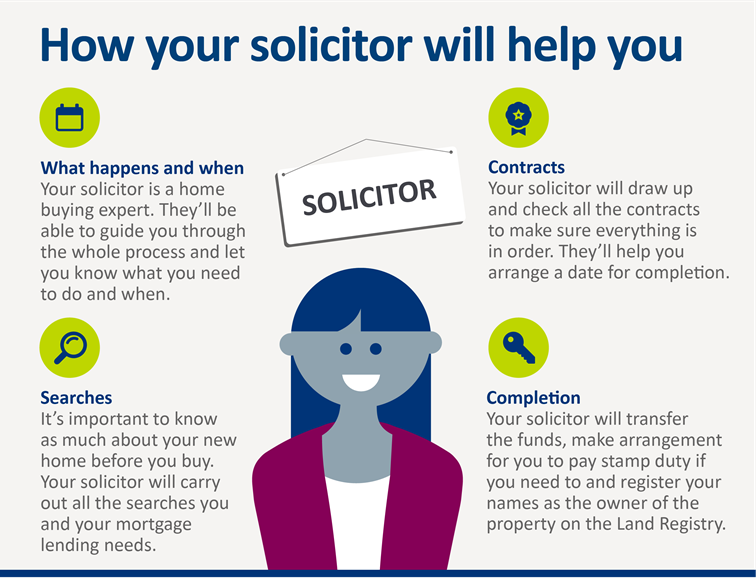
Your solicitor is a home buying expert and the best person to guide you through the entire house buying process from a legal perspective. They’ll handle all the legal paperwork and understand the process back to front, making them a great asset for any queries you have throughout the buying process.
And, if you need a hand finding a solicitor for your move, your Sales team will have a list of independent ones that come recommended by previous Keepmoat homebuyers.

Solicitor cost for buying a house: What's included?
There are a number of things your solicitor will be responsible for when you buy a house. These include:
- Searches. Your mortgage lender needs a great deal of information about your new property before they’ll agree to lend you money. Your solicitor is responsible for these searches.
- Contracts. Your solicitor will draw up and check your home contracts.
- Completion. Your solicitor is the one who transfers your funds and registers you as homeowners on the Land Registry.
- The process. As well as the more specific legal aspects, your solicitor also has a thorough understanding of the home buying process as a whole, making them ideally placed to offer advice and information if you’re unsure of anything.
Legal terminology
Conveyancing
This involves legally transferring the home’s ownership from us to you. The conveyancing process starts when you reserve your home and ends when you’ve got the keys. A solicitor will handle all aspects of the conveyancing for you.
Surveys
As your mortgage provider is generally loaning you the majority of the money for your new home, they’ll want to know that it’s a safe risk to lend against. For example, are there plans for a motorway in your area or is it at risk of flooding? Your solicitor can examine and request reports on:
- Roads
- Water
- Sewers
- Planning status
- Energy Performance Certificates
- Access, including right of way
- Court judgements against the seller
- Building control issues
Exchanging contracts
Not to be confused with your moving-in day, when you exchange contracts with us, you’re entering into a legally binding contract to buy the property. If your home is still under construction, when you exchange contracts, we’ll give you as much detail as we can regarding completion and possible moving-in dates. Your solicitor will draft and prepare documents for signature, including transfer documents, mortgage deeds and stamp duty land tax return forms.
Legal completion
The day you’ve been waiting for. This is when everything goes through. The money is transferred, and we hand the keys over to your new home.
How much does a solicitor cost?
Aside from your deposit and mortgage, there are a number of costs involved in the process of buying a house – you can check out our Cost of Buying a House guide for a full breakdown of them all. One such cost is to your solicitor, to cover the legal aspects of buying your home. You will usually see these solicitors' costs referred to as ‘conveyancing fees’.
Average solicitors’ fees for buying a house can differ depending on the location, price and type of property you are buying. These fees are broken down into standard legal fees and ‘disbursements’, which include local searches.
While some solicitors charge a flat fee for conveyancing, others will often charge a percentage of your property value. On average, your standard solicitor legal fees when buying a house fall between £500 and £1,500, plus 20% for VAT. Disbursements can cost up to £300.
When you pay your solicitor, you’re paying the direct fee plus an additional amount to cover their time and costs. As we’ve mentioned, fees can vary due to a number of factors relating to both your property and the solicitor, so it’s well worth shopping around and requesting quotes to find a great deal. If you would like a hand, just speak to your Keepmoat sales executive who will be more than happy to supply a list of recommended solicitors.
Do you have to pay solicitors fees upfront when buying a house?
This all depends on your solicitor. Some solicitors prefer to be paid throughout the process for any costs that occur, while others may require an upfront fee before they begin working for you. In most cases, this upfront fee is 10% of the total fees, the rest of which will be paid once the house sale is completed.